WITH A HEART ON THE HILL AND IN THE MINE
30th Meeting of Mining Towns and Municipalities of the Czech republic 19th European Day of Miners and Metallurgists
12 - 14 June 2026 in Příbram
3. December 2025
To the Mining Museum in Příbram to see the mining past
The former glory of mining in Příbram is commemorated by the Mining Museum Příbram - a mining museum in Březové Hory located in the area of the Vojtěch Mine, Anenské shaft and Ševčinský mine. The number of historical buildings with exhibitions has made this museum the largest mining museum in the Czech Republic.
1,000 metres underground
"I see a birch hill that is full of silver inside," said Princess Libuše in the Hájek Chronicle. In its time, the Birch Mountains were the pride of the Austro-Hungarian mining industry and you can still visit many of the monuments that witnessed world firsts.
The Royal Mining Town
The history of metal mining in the Příbram region probably began as early as the Early Bronze Age, more than three thousand years ago. More significant mining of silver and lead ores in the area of today's Březové Hory can be historically dated back to the 13th century. At the beginning of the 16th century, a mining settlement grew up around the mines, which was later upgraded to a town.
Březové Hory experienced its greatest boom in the second half of the 19th century, when 97.7% of the entire Austro-Hungarian production of silver and lead was extracted from the local mines. The significance of the Březá Hory ore district exceeded the scale of European and world deposits, especially in the way in which technical methods were applied here and world firsts were achieved - for example, in 1875, miners at the Vojtěch mine were the first in the world to reach a vertical depth of one kilometre using a single mining rope.
In 1897, Březové Hory was made a royal mining town, and since the middle of the last century it has been part of the town of Příbram. Active mining activity ended here in 1978.
Godspeed!
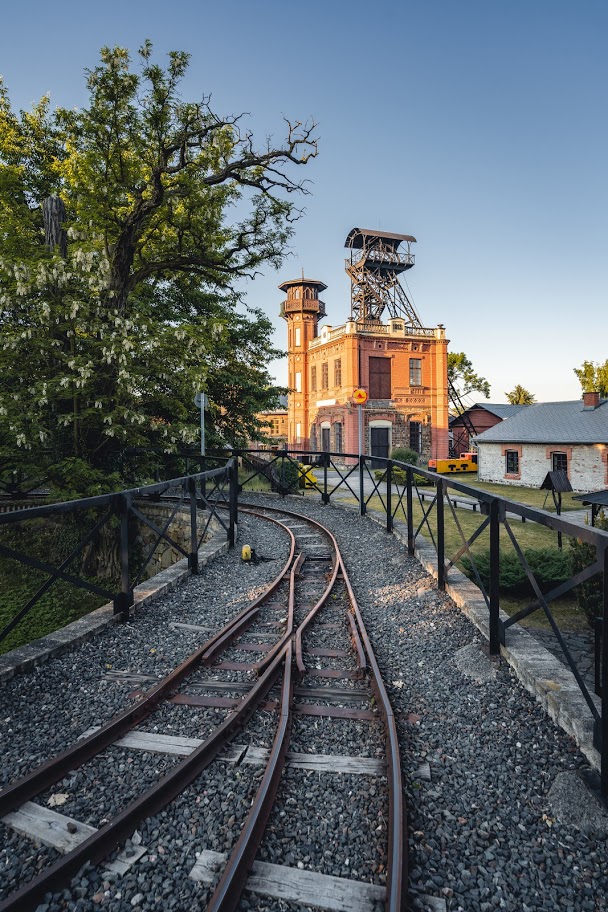
You can see the mining past at every step in Březové Hory. The most remarkable landmarks are the former shaft buildings, the silent witnesses of former glory, including the monumental Ševčinský mine or the Vojtěch mine, as well as the less spectacular Anna mine or the Marie mine. They are complemented by the tachs, engine houses and other administrative buildings, as well as a number of other buildings that were part of the life of the time - whether it be the former clerk's house called the "shichtamt" or the miners' baths and hostels. The miners' cottage with its foundations dating back to the 17th century is an example of original mining folk architecture.
The patron saint of Czech miners has always been St. Prokop, which is why the first wooden bell tower in Březové Hory was dedicated to him. Today, the church of St. Prokop stands on this spot, in the middle of a small forest. However, the most important church later became the Church of St. Vojtěch on the square of Jan Antonín Alis in Březohorské náměstí. The youngest church building is the functionalist congregation of Mister Jakoubek from Stříbro from 1936.
The largest mining museum in the Czech Republic
The Mining Museum Příbram, the largest of its kind in the Czech Republic and one of the largest mining museums in Europe, commemorates the former glory of mining in Příbram. The exhibitions located in the historical operational and administrative buildings bring closer the rich mining past connected with the extraction of silver, uranium and other ores.
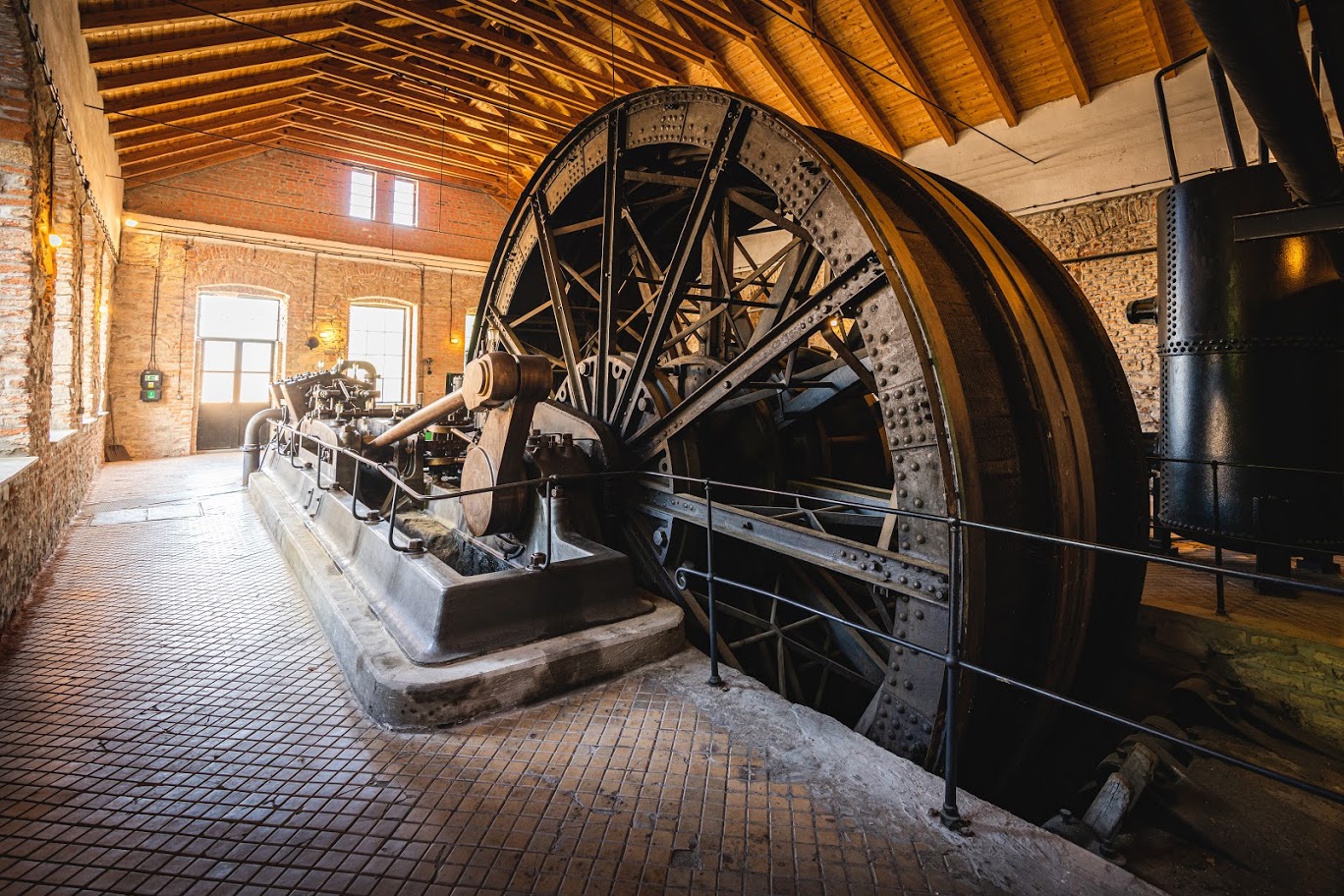
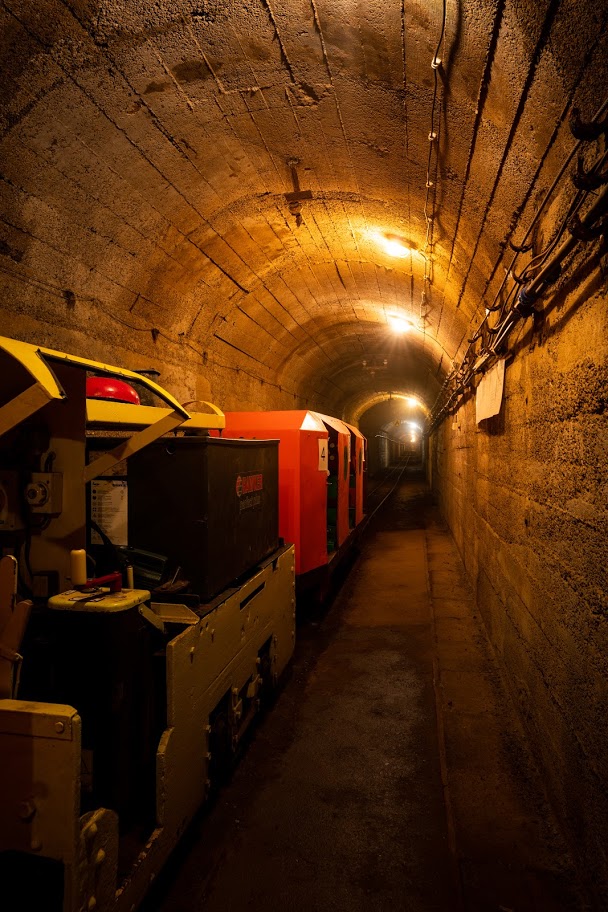
In the museum, you can take a ride on a mining train on the surface and underground, tour several kilometres of tunnels, ride an elevator, slide down a slide to a giant water wheel or learn about unique steam mining machines and an extensive mineralogical collection or mining folklore.
Fotogalerie
General partners


Main partners








Partners










Media partner

Event organizers